



The best time to see the Northern Lights in Iceland
Seeing the Northern Lights in Iceland: When, Where & How to Give Yourself the Best Chance
Seeing the Northern Lights in Iceland is one of those experiences you never forget. There is something pretty special about standing outside in the Icelandic darkness, looking up at the sky and waiting for that first green glow to appear.
The lights are never guaranteed — and that is part of the magic. But choosing the right time, watching the weather and knowing when and where to go can make a big difference.
When is the best time to see the Northern Lights?
The Northern Lights season in Iceland generally runs from late August to mid-April, when the nights are dark enough to see them.
September & October — the beginning of the season
Early autumn is a fantastic time to visit Iceland. The nights are becoming dark enough for the aurora, while there is still plenty of daylight for exploring during the day.
You can enjoy waterfalls, glaciers, the Golden Circle and the South Coast without spending your entire trip in winter darkness. There are also generally fewer visitors than during the busiest winter months.
November to February — long, dark nights
Winter gives you the longest hours of darkness, which means more opportunities to see the aurora.
It is also the season for some of Iceland's most spectacular winter experiences — ice caves, glaciers, snowy landscapes, hot springs and geothermal pools.
March & early April — longer days, dark nights
Spring offers a lovely balance. The days are getting longer, but the nights are still dark enough for the Northern Lights.
There is more daylight for sightseeing, while crisp evenings and changing weather can create beautiful conditions for photography.
What makes a great Northern Lights experience?
The Northern Lights are a natural phenomenon, so nobody can guarantee that they will appear. But there are a few things that can significantly improve your chances.
Darkness — the aurora needs a dark sky, which is why the season is limited to the darker months.
Clear skies — thick cloud can hide the lights completely.
Low light pollution — getting away from artificial lights makes even a weaker aurora much easier to see.
Solar activity — stronger solar activity can create more spectacular displays, although even a strong forecast is not much help if the sky is completely covered by cloud.
And this is where Northern Lights hunting becomes more interesting than simply checking an app.
Clouds don't always mean you should stay home...
One of the biggest misconceptions about Northern Lights hunting is that you need a completely cloudless sky.
Of course, thick cloud can hide the aurora. But seeing clouds in the forecast doesn't necessarily mean the evening is lost.
We don't just look at how much cloud is forecast. We look at what type of cloud it is, where it is, how it is moving and what is likely to happen over the next few hours.
Low, middle and high clouds can behave very differently. One part of Iceland may be covered while another has clear skies, or a weather system may be moving quickly enough to create a short window of opportunity.
Sometimes, even clouds can make the experience more dramatic. Broken clouds moving across a strong aurora can add depth to the sky and create incredible photographs.
That is why we compare several forecasts, cloud layers, wind direction, precipitation, weather movement, road conditions and aurora activity before deciding where to go.
What about a full moon?
A full moon doesn't automatically ruin the Northern Lights either.
Strong aurora can still be clearly visible under a bright moon. Moonlight can reduce the contrast of a weaker aurora, but it can also illuminate the Icelandic landscape beautifully — mountains, snow, lava fields and glaciers suddenly become part of the scene.
Sometimes the moon actually makes the photographs more interesting.
So rather than simply asking "Is there a full moon tonight?", we look at how the moonlight, clouds, landscape, darkness and aurora activity are likely to work together that particular evening.
Northern Lights hunting is about making decisions.
This is perhaps the part visitors don't see when they check an aurora forecast online.
Choosing where to go is rarely based on one number.
We watch the weather throughout the day and compare different forecasts, cloud layers, wind direction, precipitation, possible clear windows, road conditions and expected aurora activity.
Then we make a decision.
Sometimes the best option is south. Sometimes west. Sometimes the best decision is to wait. And sometimes we change our original plan while already on the road because the weather is developing differently than expected.
You don't control nature — you try to read it.
Finding your own piece of Icelandic darkness
Once we've found the right area, there can be another challenge: we may not be the only ones who had the same idea.
On promising nights, popular Northern Lights locations around Reykjavík and South Iceland can become surprisingly busy.
Whenever conditions allow, we prefer to get away from the obvious stops and find somewhere quieter.
This is also where travelling in our modified Super Jeep makes a difference. It gives us more flexibility to explore areas that aren't necessarily the first choice of every tour bus or rental car, and a better chance of finding a little piece of Icelandic darkness that feels like our own.
Of course, where we can go always depends on the weather, road conditions and safety.
Northern Lights etiquette: turn off your lights
If you've ever photographed the Northern Lights, you know how quickly a bright light can ruin your night vision — and someone else's photograph.
When you arrive at a viewing location, there is an unwritten rule:
Turn off your lights.
Headlights, interior lights, phone flashes and bright torches can affect everyone around you.
If other people are already watching or photographing the aurora, we try to approach carefully, park properly and switch off unnecessary lights as soon as it is safe to do so.
A red-light setting on a headlamp is also much easier on night vision than a bright white light.
Everyone came for the same reason. A little consideration makes the experience better for everybody.
And above everything else: safety first
No Northern Lights photograph is worth creating a dangerous situation!
Never stop in the middle of the road or somewhere your vehicle cannot be seen safely.
Icelandic roads can be dark, narrow, icy and exposed to rapidly changing weather. Outside towns, there may be very little artificial light, and other drivers may not expect a stationary vehicle ahead of them.
We always look for a proper, safe place to leave the road before stopping.
The aurora might disappear while you're looking for somewhere safe to park.
That's okay.
There will be another photograph.
Safety always comes first.
Where are the best places to see the Northern Lights in Iceland?
You don't necessarily need to travel to the north of Iceland to see the aurora. It can appear across the country.
Some popular areas include:
South Iceland
North Iceland
West Iceland
East Iceland
Snæfellsnes Peninsula
The Westfjords
Rural areas away from artificial light
The most important thing is often not simply where you are, but whether you have darkness, clear skies and enough solar activity at the right time.
What can you do on a Northern Lights tour?
A Northern Lights tour can be much more than simply standing outside and looking at the sky.
Depending on the conditions, you can combine the experience with:
Scenic drives through Iceland's countryside
Beautiful viewpoints
Photography opportunities
Stargazing
Hot chocolate or other warm drinks
Remote areas with minimal light pollution
Other Icelandic experiences along the way
And sometimes, the most exciting part is simply heading out into the Icelandic night and seeing what nature has in store.
Want to know if we are going out tonight?
Because Northern Lights conditions can change quickly, we always recommend checking the weather and aurora forecast before heading out.
Message us on WhatsApp and ask about tonight's Northern Lights conditions.
We'll check the latest conditions and help you decide whether it looks promising to go out — and which direction or type of experience may give you the best chance.
The lights are never guaranteed. But you don't have to figure it all out yourself.
Tell us when you're visiting Iceland, who you're travelling with and what kind of Northern Lights experience you're looking for.
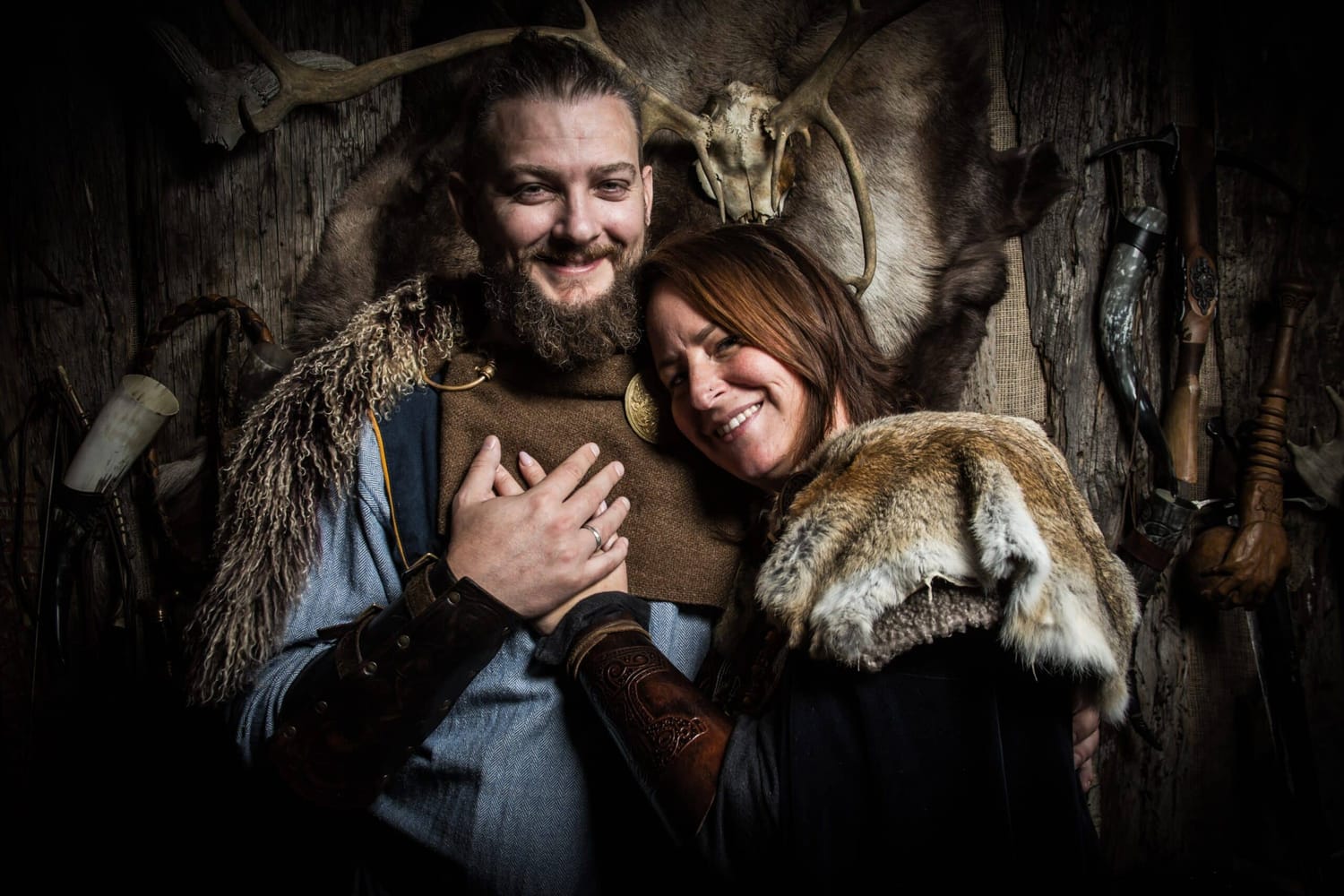
Sára and Kristóf will help you find the best option based on the weather, conditions and your plans.
No guessing. No chasing the lights on your own. Just a better chance of experiencing Iceland's night sky at its most magical.
Ready to see what tonight has in store?
Message us on WhatsApp and ask about the Northern Lights.
We'll be happy to check the conditions and recommend the best option for you.
Let's Get In Touch!
Explore Iceland Your Way
Unlock Hidden Iceland Secrets
Want to learn more about hidden waterfalls, secret Highland spots, and seasonal aurora tips? Subscribe so you never miss out on expert Iceland travel insights from us.
No spam, ever. Unsubscribe anytime.